
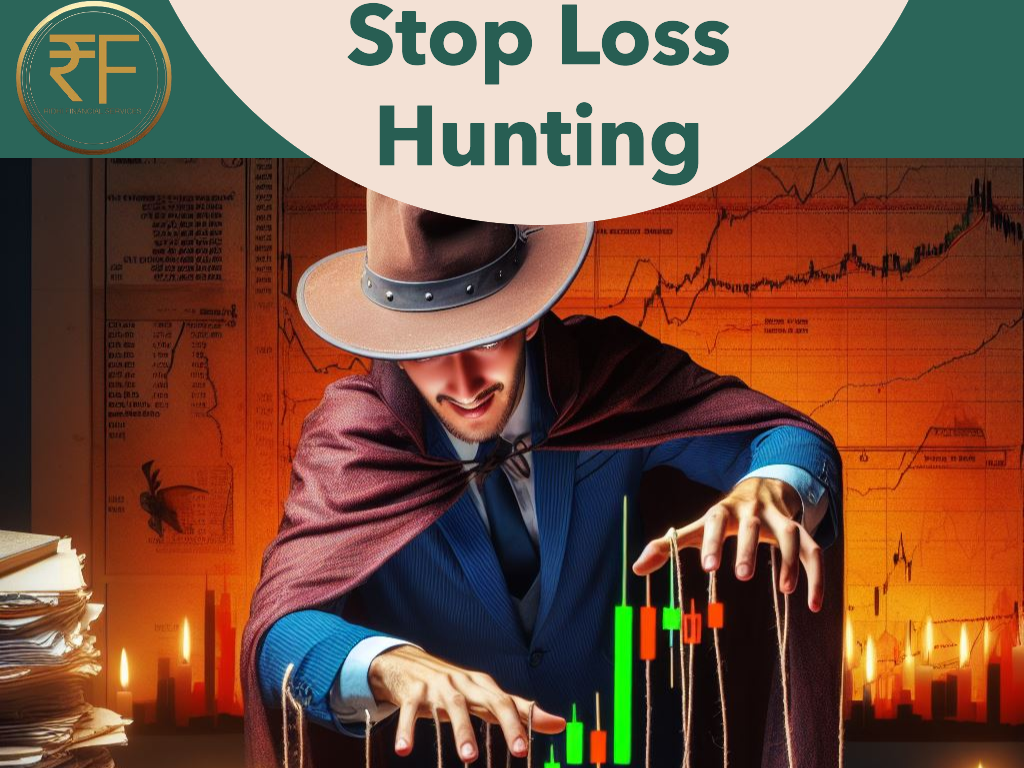
Stop loss hunting is a practice that often generates concern and controversy among traders and investors in the stock market. This phenomenon occurs when certain market participants attempt to manipulate stock prices to trigger a large number of stop loss orders. Understanding what stop loss hunting entails, why it happens, who is involved, and how traders can protect themselves is essential for anyone actively participating in the financial markets.
What is Stop Loss Hunting?
Stop loss hunting is an activity wherein traders or large institutions exploit the market by driving prices to levels where many have set their stop loss orders. A stop loss order is an order placed with a broker to buy or sell a security when it reaches a certain price. It is designed to limit an investor’s loss on a position in a security. However, if the price is momentarily pushed to these levels, it can trigger a flurry of sales or purchases, after which the price might return to its previous level. This can result in losses for those whose stop loss orders were triggered, while benefiting the entities that manipulated the price.
Why Does Stop Loss Hunting Occur?
The primary motive behind stop loss hunting is profit. Traders or institutions may seek to lower a stock’s price to buy at a reduced price or to raise it to sell at a higher price. This is more common in markets or securities with lower liquidity where less trading volume can lead to bigger price swings. Additionally, since many traders place stop loss orders at similar price points—often around round numbers or recent lows/highs—these become attractive targets for those looking to manipulate market prices.
Who is Involved?
Stop loss hunting can involve a range of market participants but is often attributed to institutional investors like hedge funds, banks, or proprietary trading firms. These entities have the significant capital, sophisticated trading technology, and market access needed to influence prices to the extent required for stop loss hunting.
Effects on the Market
While stop loss hunting can be a strategy for some, it raises questions about market fairness and integrity. It can lead to increased volatility and create an environment where retail and less sophisticated traders are at a disadvantage. Regulatory bodies often keep a close watch on such activities, as they can border on market manipulation, which is illegal.
How to Protect Against Stop Loss Hunting
- Wider Stop Loss Margins: Setting stop loss orders at less predictable prices can help avoid being targeted by stop loss hunters.
- Price Alerts: Instead of using automatic stop loss orders, use price alerts to inform you when a stock reaches certain levels. This allows you to make a decision based on current market conditions rather than having an automatic trigger.
- Technical Analysis: Understand support and resistance levels better and avoid placing stop loss orders right at these levels since they are common targets.
- Risk Management: Allocate only a percentage of your portfolio to positions that might be susceptible to stop loss hunting, diversifying your risk.
- Understanding Market Conditions: Be more vigilant during times of low liquidity or high volatility, as these are prime times for stop loss hunting.
Conclusion
While stop loss hunting is a reality in stock markets, understanding this phenomenon can help traders and investors devise strategies to mitigate its effects. Awareness and proactive management of orders, combined with a solid understanding of market behavior, are key to navigating the complexities of stock market trading without falling prey to predatory practices like stop loss hunting.

 Ridhi Finserv
Leave a reply to Ridhi FinServ Cancel reply